At GENENG we offer a variety of services in the consulting and advisory space drawing from over a decade of experience in engineering and sustainable development.

Image by Freepik
Energy and Technology Assessments
The importance of energy cannot be underestimated in today’s world. From traditional energy systems, which heavily rely on fossil fuels, to green energy systems, the transition towards a decarbonized future is crucial. Our expertise lies in traditional energy systems, which gives us a deep understanding of the challenges involved in transitioning and adapting to new energy systems.
At our company, we assist clients in understanding their energy metrics through energy assessments, simulations, and scenario planning. This allows them to gain insights into their energy usage and identify areas for improvement. Whether it’s a hybrid energy system or a complete decarbonized energy stream, we provide comprehensive support in managing energy use.
Our goal is to help businesses develop a sustainable operation strategy by understanding direct emissions from their operations and finding the best ways to manage energy use. By doing so, we contribute to the global effort of creating a more sustainable and environmentally friendly future.
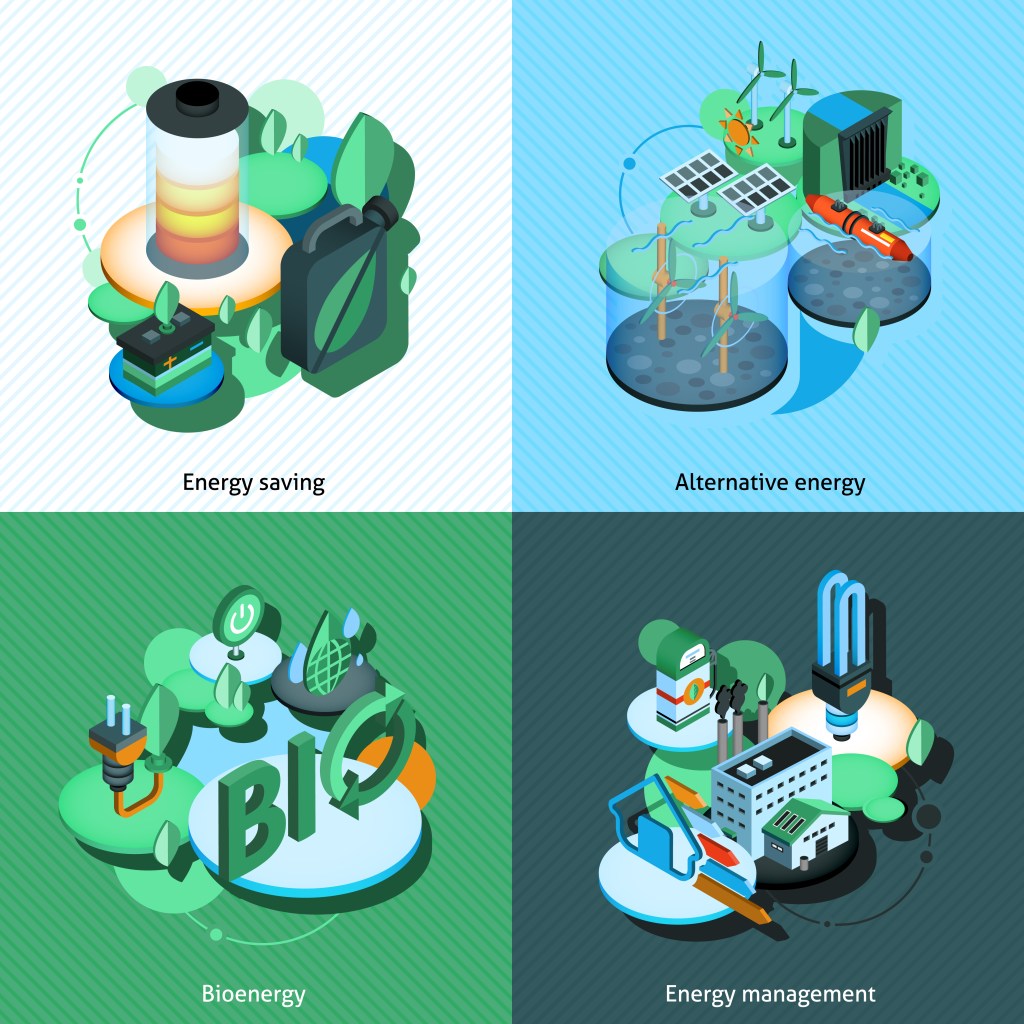
Image by macrovector on Freepik
Reporting and Regulatory Compliance
The integration of ESG (Environmental, Social, and Governance) principles into daily business operations is becoming increasingly important. As this intersection deepens, the relevance of laws, standards, and regulations for assessing each country’s contribution to climate change, particularly in different industries, becomes even more crucial.
The data extracted from reports that focus on ESG factors play a vital role in helping clients navigate the complex landscape of legal reporting frameworks. By understanding and adhering to these frameworks, businesses can align their internal sustainability targets with external regulations. This alignment brings harmony on a macro and micro business level, ensuring that sustainability initiatives are integrated into every aspect of operations.
Carbon data reporting also plays a crucial role in shaping sustainable practices across sectors. As consumers become more environmentally conscious, businesses are under increasing pressure to measure, manage, and mitigate their carbon emissions. This shift is also fueled by the emergence of carbon taxes, both at the local and global levels.
The objective of carbon data reporting is to provide accurate and comprehensive information on an organization’s carbon footprint. This includes measuring emissions from various sources such as energy consumption, transportation, manufacturing processes, and waste management. By quantifying carbon emissions, businesses can identify areas of improvement, set reduction targets, and implement strategies to minimize their environmental impact.
Carbon data reporting is not only limited to large corporations. Small and medium-sized enterprises (SMEs) are also recognizing the importance of tracking and reporting their carbon emissions. This data can be used to enhance brand reputation, attract eco-conscious customers, and gain a competitive edge in a market increasingly driven by sustainability considerations.
In addition to fulfilling regulatory requirements, carbon data reporting contributes to a more sustainable future. By identifying carbon hotspots, organizations can implement energy-efficient technologies, adopt renewable energy sources, optimize supply chains, and implement sustainable practices to reduce their carbon footprint. This transition towards a low-carbon economy is essential for mitigating climate change and fostering a more sustainable and resilient world.
Embracing carbon data reporting is not just a measure of compliance or a marketing strategy; it is a commitment to environmental stewardship and a catalyst for positive change. As more businesses recognize the importance of transparently reporting their carbon emissions, we can collectively work towards a greener and more sustainable future for generations to come.
Additionally, these insights benefit larger institutions by providing them with a better understanding of the industry landscape. Armed with comprehensive data, these organizations can effectively govern and shape the industry in a way that supports the development and implementation of sustainable practices. By building a more sustainable and resilient climate change strategy, businesses and industries can contribute to a healthier and more environmentally responsible future.

Image by storyset on Freepik
Optimization and Waste Reduction
Industries and producers across various sectors have the potential to significantly reduce their carbon footprint by implementing sustainable practices within their operations. The key to achieving these changes lies not in massive financial investments, but rather in embracing a fresh perspective and evaluating existing processes. By doing so, opportunities to decrease energy consumption, enhance operational safety, minimize waste, and even find value in previously overlooked waste streams can be identified. This approach leverages industry expertise and fosters synergies within the business environment, targeting carbon emissions throughout the entire value chain. As a result, the overall carbon impact of goods and services can be reduced. Moreover, these solutions offer smaller businesses a practical means to make a tangible difference in their carbon footprint, while enabling larger corporations to either offset their emissions or explore new avenues for generating revenue.
The waste sector plays a vital role in realizing the potential of a circular economy. It not only helps us address the massive amount of refuse, including plastics and organic waste heading towards landfills, but also contributes to the overall sustainability of our resources.
As the fourth industrial revolution continues to drive the demand for more advanced and capable devices, it also presents us with the challenge of dealing with a rapidly growing e-waste sector. This sector requires attention and careful management to prevent environmental hazards and optimize the recovery of valuable materials.
Unlocking the value inherent in waste streams holds significant potential for making a substantial impact on the wider value chain. By adopting innovative technologies and sustainable practices, we can transform waste into valuable resources, reducing dependency on raw materials and minimizing environmental impact. Embracing a circular approach to waste management creates opportunities for economic growth, job creation, and a greener future.
Let’s work together to leverage the hidden potentials of waste streams and build a more sustainable and prosperous world for future generations.

Image by storyset on Freepik
Carbon Credit Projects and Decarbonization
The development of carbon offset projects and decarbonization projects directly plays a role in the development of a carbon economy whilst actively creating positive change in regard to climate change. In the successful development of carbon offset projects, they can be registered on a carbon market, where they can trade carbon credits that are generated from the project activities. This mechanism helps build a carbon economy and incentivizes growth in environmental regenerative projects, offset projects, and carbon sink projects.
These types of projects play a crucial role in helping other emitters reduce their carbon impact. They can purchase carbon credits from these projects to offset their own emissions, which they may find financially unattainable or difficult to achieve. Carbon projects can be developed in line with reputable standards such as the Verified Carbon Standard (VCS), Gold Standard, and Clean Development Mechanism (CDM).
It’s worth noting that under Article 6.4 of the Paris Accords, there are provisions for cooperative approaches to emissions mitigation. This allows for collaboration between countries and regions, enabling them to implement similar mechanisms to the Clean Development Mechanism.
By combining carbon accounting and offset projects, businesses and organizations can play an active role in combating climate change and promoting sustainable practices.
Image by Freepik
 GENENG